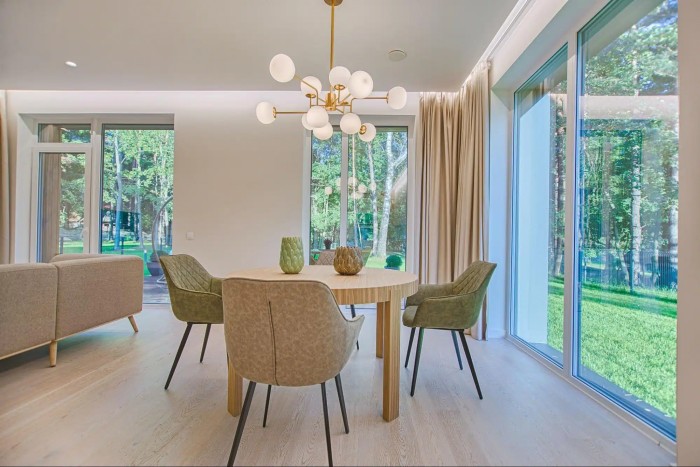
- Creative projects benefit greatly from incorporating a sweety spin into artistic endeavors
- The Psychology of Sweetness in Design
- The Role of Colour Psychology
- Applications Across Different Creative Fields
- Sweetening the Digital Experience
- Beyond Aesthetics: Emotional Storytelling
- The Power of Symbolism
- Challenges and Considerations
- Expanding the Horizon: Novel Applications
Creative projects benefit greatly from incorporating a sweety spin into artistic endeavors
Injecting a bit of whimsy and delight into creative projects can often elevate them from the mundane to the memorable. This is where the concept of a sweety spin comes into play—a deliberate infusion of sweetness, charm, and playful elements into artistic endeavors. Whether it’s through colour palettes, thematic choices, or subtle details, incorporating this approach can profoundly affect the audience’s engagement and the overall impact of the work. It's about finding the joy within the process and reflecting that joy in the final product.
The application of this principle isn’t restricted to traditionally ‘sweet’ art forms like illustration or confectionery design. In fact, it can be incredibly effective in unexpected areas such as architectural design, software interfaces, or even data visualization. The key is to understand that ‘sweet’ doesn’t necessarily mean saccharine or childish; it can represent approachability, warmth, a sense of comfort, and a gentle invitation to explore. It’s a versatile tool for softening potentially harsh or complex ideas.
The Psychology of Sweetness in Design
The human brain is inherently wired to respond positively to stimuli associated with sweetness. This isn’t just limited to taste; visual cues that evoke feelings of warmth, softness, and pleasure trigger similar neurological responses. Consider the use of pastel colours, rounded shapes, or playful typography—these elements subconsciously tap into those instinctive associations. Utilizing these cues in design isn't manipulative; it's simply acknowledging a fundamental aspect of human perception. Understanding how these psychological principles operate allows artists and designers to intentionally shape the emotional impact of their work. A carefully employed palette, for example, can immediately establish a mood of tranquility or excitement.
The Role of Colour Psychology
Colour plays a pivotal role in influencing mood and evoking specific emotions. Light, airy colours – pastels and shades of pink, lavender, or baby blue – are frequently associated with gentleness, innocence, and sweetness. Conversely, bolder, more saturated colours can be utilized to provide contrast and highlight key elements. However, the context is crucial. A bright pink can be playful and uplifting, but also forceful. A muted lavender can feel sophisticated and calming. The subtle interplay of colours is where a skilled designer truly shines, creating a visual harmony that resonates with the intended audience and effectively conveys the desired message. Recognizing the cultural connotations of colours is equally important for global appeal.
| Colour | Associated Feelings | Potential Use Cases |
|---|---|---|
| Pastel Pink | Gentleness, Romance, Nurturing | Baby products, Wedding designs, feminine branding |
| Sky Blue | Calmness, Serenity, Trust | Healthcare, Finance, Technology |
| Lavender | Sophistication, Mystery, Creativity | Luxury brands, Spiritual practices, Artistic designs |
| Lemon Yellow | Optimism, Energy, Cheerfulness | Children’s products, Food packaging, promotional materials |
The use of colour gradients and subtle shading can further enhance the effect, creating a sense of depth and visual interest. It’s a toolkit loaded with opportunities for generating an inviting atmosphere.
Applications Across Different Creative Fields
The principles of incorporating a gentle touch are remarkably adaptable and can be found flourishing across a broad spectrum of creative industries. From graphic design and web development to interior design and even culinary arts, these approaches can shape user experience and emotional resonance. The effectiveness of the approach lies in its subtle nature. It’s not about overwhelming the audience with overt sweetness, but rather weaving it into the fabric of the design in a way that feels natural and integrated. Consider the trend towards 'soft UI' in web design, characterized by rounded corners, subtle shadows, and calming colour palettes – a clear example of this principle in action.
Sweetening the Digital Experience
In the digital realm, a similar approach is gaining prominence. User interfaces are becoming more inviting and intuitive, moving away from harsh, angular designs towards softer, more rounded elements. Micro-interactions, subtle animations, and delightful feedback mechanisms can add a layer of playfulness and charm to the user experience. Consider the use of animated loading screens, cheerful error messages, or personalized greetings – these small touches can significantly impact a user's overall perception of a website or application. The goal is to create a digital environment that feels approachable, welcoming, and even a little bit magical. Accessibility also plays a key role; a gentle design aesthetic can enhance usability for a wider range of users.
- Rounded corners on buttons and containers create a softer, more approachable feel.
- Pastel colour palettes evoke feelings of calmness and tranquility.
- Subtle animations and micro-interactions add a layer of delight.
- Playful typography can convey a sense of personality and charm.
- Generous whitespace improves readability and reduces visual clutter.
By thoughtfully integrating these elements, designers can transform a mundane digital interface into a genuinely engaging and enjoyable experience.
Beyond Aesthetics: Emotional Storytelling
Implementing this aesthetic extends beyond simply choosing colours and shapes; it's about crafting a narrative that resonates emotionally with the audience. It involves understanding their needs, desires, and expectations, and then tailoring the design to evoke those feelings. A successful implementation of a sweety spin isn’t just visually pleasing; it's emotionally impactful. This requires a deep understanding of storytelling principles and an ability to communicate effectively through visual means. It's about creating a connection between the audience and the work, fostering a sense of empathy and understanding. Consider the use of imagery, symbolism, and metaphors to convey deeper meaning and evoke stronger emotions.
The Power of Symbolism
Symbolism plays a crucial role in emotional storytelling. Certain shapes, colours, and objects carry inherent associations that can trigger specific emotions and memories. An example would be the use of flowers, often associated with love, beauty, and fragility. Or the image of a home, representing comfort, security, and belonging. By carefully selecting and arranging these symbols, artists and designers can create a layered narrative that speaks to the subconscious mind. The audience will feel a draw for an embracing emotion, and the intent will be understood. It’s about tapping into collective unconsciousness and universal archetypes to create a truly resonant experience.
- Identify the core emotions you want to evoke.
- Research symbols and imagery associated with those emotions.
- Carefully integrate those symbols into your design.
- Test your design with a target audience to gauge its emotional impact.
- Refine your design based on feedback.
Successful implementation in an effective narrative is a pathway to a lasting connection with the audience.
Challenges and Considerations
While the integration of lightness and charm can be highly effective, it’s not without its challenges. Overdoing it can easily veer into the territory of the overly saccharine or the childish, potentially alienating a more sophisticated audience. The key is to strike a balance—to introduce these elements subtly and strategically, rather than overwhelming the design. It’s also important to consider the context and the target audience. What might be considered charming in one culture could be perceived as frivolous or even offensive in another. A nuanced understanding of cultural sensitivities is paramount. Furthermore, it’s vital to avoid perpetuating harmful stereotypes or tropes. The goal is to create a sense of joy and delight, not to reinforce outdated or problematic ideas. Maintaining authenticity is critical.
Expanding the Horizon: Novel Applications
The potential for utilizing sweetness in creative endeavors continues to expand as technology and artistic practices evolve. Consider the growing field of generative art, where algorithms are used to create unique and visually stunning artwork. The incorporation of gentle elements into these algorithms could result in surprisingly beautiful and emotionally resonant creations. Alternatively, within the realm of augmented reality (AR) and virtual reality (VR), there's an opportunity to design immersive experiences that evoke a sense of wonder and delight. Imagine stepping into a virtual world filled with pastel colours, playful animations, and enchanting soundscapes – a truly immersive and unforgettable experience. This isn’t just about aesthetic embellishment; it’s about using technology to create emotional connections and enhance human experiences.
Exploring these novel applications requires experimentation and a willingness to push boundaries. It's about finding new ways to harness the power of emotion and connect with audiences on a deeper level. By embracing creativity and innovation, we can unlock the full potential of the sweety spin and transform the way we experience art and design.